Trend Tracker
typography / declining
Dominant Typography
Psychological Thrillers · All markets · comparable 12 months periods
-17.4percentage
points
points
01 / Current window
Observed Prevalence
Dec 30n=12Mar 1n=24May 1n=29Jul 1n=18Aug 30n=35Oct 30n=32
Empty time buckets are shown as zero and retain their sample size; they are not interpolated by AI.
02 / Market separation
Source Breakdown
03 / Underlying evidence
14 matching Covers.
These are the records counted in the current prevalence numerator.
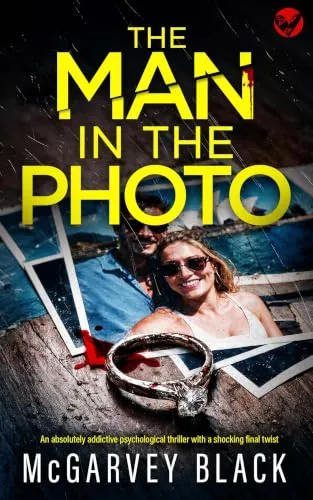 Amazon Bestsellers
The Man in the Photo: A BRAND NEW absolutely addictive psychological thriller with a shocking final twist
MCGARVEY BLACK
Inspect evidence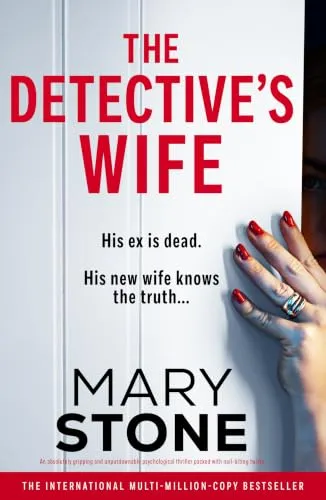 Amazon Bestsellers
The Detective's Wife: An absolutely gripping and unputdownable psychological thriller packed with nail-biting twists
Mary Stone
Inspect evidence Amazon Bestsellers
The Spider Silk Scarf: A Short Story
Ana Reyes
Inspect evidence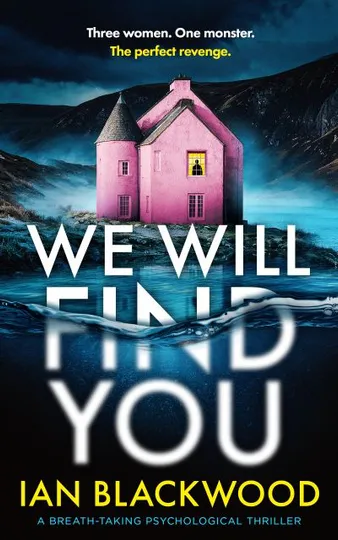 Amazon Bestsellers
We Will Find You: a breath-taking psychological thriller
Ian Blackwood
Inspect evidence Amazon Bestsellers
His Perfect Wife: A psychological thriller
Rowen Chambers
Inspect evidence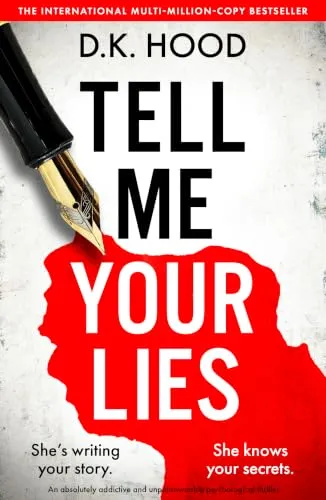 Traditional Publishers
Tell Me Your Lies: An absolutely addictive and unputdownable psychological thriller
D.K. Hood
Inspect evidence Amazon Bestsellers
The Secrets We Hide: A North Falls Thriller – The Next North Falls Thriller From Karin Slaughter Where a Brutal Attack Shatters a Small Town's Peace
Karin Slaughter
Inspect evidence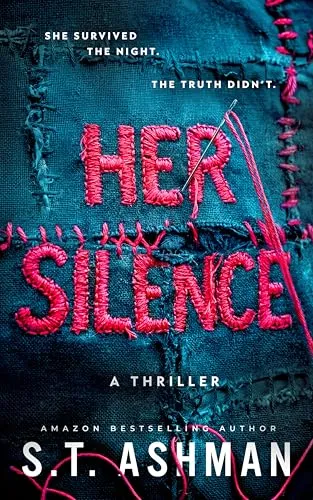 Amazon Bestsellers
Her Silence: A Mystery, Thriller & Suspense Novel
S. T. Ashman
Inspect evidence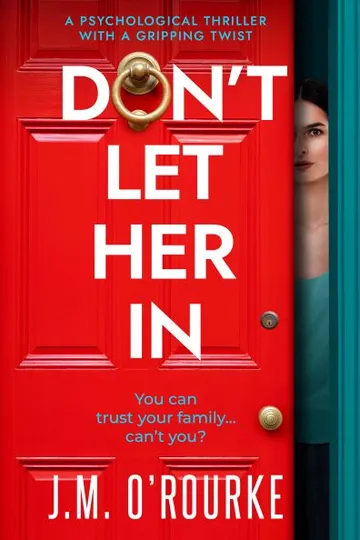 Amazon Bestsellers
Don't Let Her In: a psychological thriller with a gripping twist
J.M. O'Rourke
Inspect evidence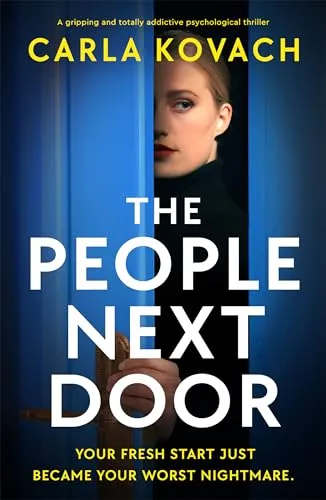 Traditional Publishers
The People Next Door: A gripping and totally addictive psychological thriller
Carla Kovach
Inspect evidence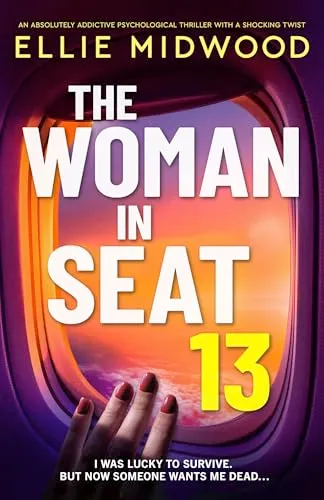 Traditional Publishers
The Woman in Seat 13: An absolutely addictive psychological thriller with a shocking twist
Ellie Midwood
Inspect evidence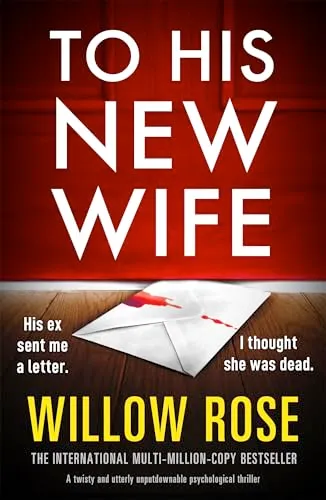 Traditional Publishers
To His New Wife: A twisty and utterly unputdownable psychological thriller (The Stone Family Book 1)
Willow Rose
Inspect evidence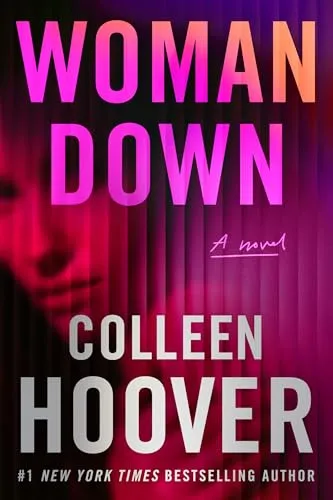 Amazon Bestsellers
Woman Down: A Novel
Colleen Hoover
Inspect evidence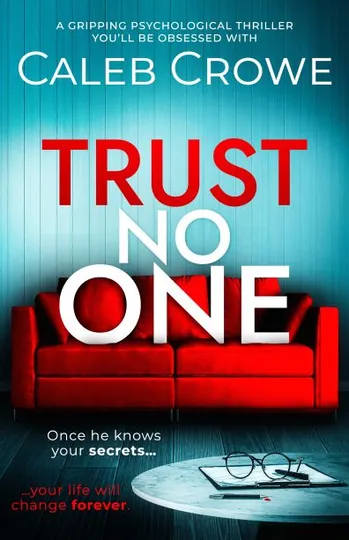 Amazon Bestsellers
Trust No One: a gripping psychological thriller you'll be obsessed with
Caleb Crowe
Inspect evidence04 / Evidence interpretation
What It May Mean.
Built Oct 31, 2026
AI interpretationgpt-6-luna
exploratory confidenceDominant typography was less prevalent in the current sample than in the previous sample.
Across the 150 covers sampled in each period, prevalence fell from 26.7% (40 covers) to 9.3% (14), a decrease of 17.4 percentage points. This describes these samples, not the broader book-cover market.
Compare covers from both periods side by side, using the same definition of “dominant typography.” Check whether the shift appears within comparable sources and genres, and whether other visual features—such as imagery or layout—became more prominent.
Facts supplied to the interpreter
Current sample: 14 of 150 covers (9.3%); previous sample: 40 of 150 (26.7%).
Amazon Bestsellers: 10 of 75 current covers (13.3%).
Traditional Publishers: 4 of 73 (5.5%).
Amazon New Releases: 0 of 2; Indie Authors: sample size 0.